

Undergraduates Explore Research With Real World Impact
Under the mentorship of Associate Professor Andy Tan, students are spending their summers tackling public health issues.
For the past four years, Associate Professor Andy Tan has spent his summers mentoring undergraduates interested in health communication research. Students from Penn and other universities work on projects in Tan’s Health Communication & Equity Lab, contributing to the lab’s ongoing research on improving public health, from using artificial intelligence for good to curbing nicotine use among LGBTQ+ youth.
In the summer of 2025, Tan collaborated with Annenberg research associate Matthew Brook O’Donnell to jointly mentor Sophia Szreck de Sousa Pereira, a sophomore at Case Western Reserve University who is interested in the study of human behavior, its influences and developing tools for improving decision-making.
O’Donnell and Tan are creating an AI platform to help Philadelphia-based community health organizations streamline their programming. As part of her internship, Pereira helped plan a workshop in which ambassadors from these health organizations beta tested the platform to create materials advertising their services, plan potential staff retreats, and brainstorm potential mission statements.
Pereira was excited to see the research in action.
“It’s one thing to test the platform and think about the ways it could be used and helpful to people,” she said. “It’s another thing to actually see how people work with it, and how they slowly start to see how useful this could be for their organization in the future.”
LGBTQ Youth and Tobacco
A year earlier, Tan worked with two Penn undergraduates, Seyoon Chun (C'25) and Kyle Grgecic (C'26), on a project addressing tobacco use among LGBTQ youth. Grgecic explored the strategies used by LGBTQ social media influencers to promote health and well-being, and Chun dove into the intersection of religion and tobacco use among the LGBTQ community, an understudied topic that he hopes future researchers will use to inform health communication strategies.
The pair was drawn to the lab’s research because it felt both relatable and meaningful.
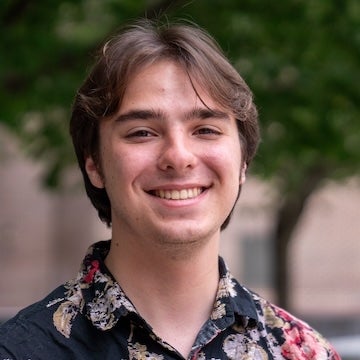
“I’ve seen some of my closest friends, members of the LGBTQ community, fall victim to nicotine addictions from as early as 14 years old,” said Grgecic. “Nicotine use within the young LGBTQ community is abundant and under-researched, so it’s truly an honor to be involved with the research that is going on.”
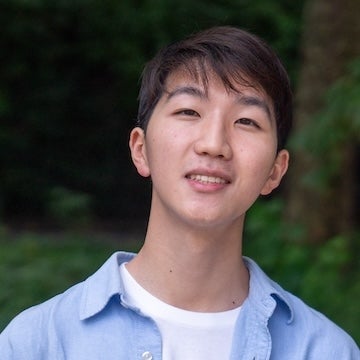
Chun agreed. “I think a younger version of myself would be so happy to see what I’m doing now,” he said. “Being able to research the sexual and gender minority population seemed impossible to me in the past, and the second I saw the lab’s research, I knew I wanted to help out.”
After their internships, Chun and Grgecic entered the 2024-2025 academic year with a solid foundation in academic research and the knowledge that they had contributed to work that has the potential to make a real difference in the lives of LGBTQ youth.
Tan is proud of the work that all his undergraduate mentees have completed over his summers as a faculty mentor.
“It is really gratifying to mentor undergraduates in summer programs,” Tan said. “Students engage lab members in learning about paths in research and get a flavor of what a career in communication research looks like: it’s an excellent way to introduce students to how health communication research can contribute to improving population health.”
